
At Robben Island Museum, the first thing visitors see is a memorial wall bearing more than 5,000 names, honouring those who endured imprisonment here, including some of South Africa’s most iconic leaders.
The Robben Island Museum Guided Tour
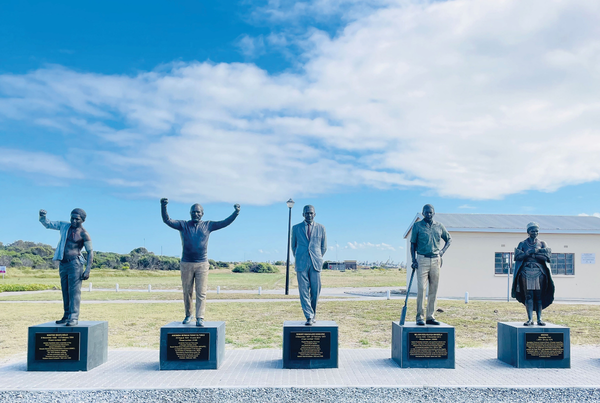
2026 – At Robben Island Museum, the first thing visitors see is a memorial wall bearing more than 5,000 names, honouring those who endured imprisonment here, including some of South Africa’s most iconic leaders. Close by, six striking statues celebrate figures such as Nelson Mandela, Robert Sobukwe, Autshumato, Krotoa, Herman Andimba Toivo Ya Toivo, and Khotso Seatlholo, casting a lasting tribute to their sacrifice and enduring legacy.
Some of these political prisoners on Robben Island Museum were made to mine limestone and bluestone, shaping the very roads they walked and the walls that confined them. The white limestone, used for island roads, reflected the sun so intensely that prisoners suffered serious eye damage, while the hard blue bluestone was used to build prison walls and dams.
Today, Robben Island Museum’s Guided Tour brings visitors face-to-face with this powerful history. During Human Rights Month, it is a moving opportunity to explore South Africa’s freedom struggle and see how courage triumphed over oppression.
What you can expect on the Guided Tour:
The 5km tour begins at the Visitor’s Centre, where prisoners met families and lawyers through plate glass and faulty sound systems, a space filled with the echoes of frustration and hope. Next, the Banishment Site reveals centuries of exile, from Dutch and British colonial times, where leaders, warriors, and political prisoners were confined.
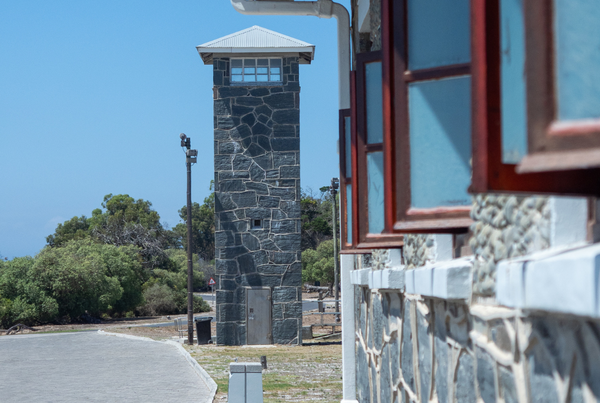
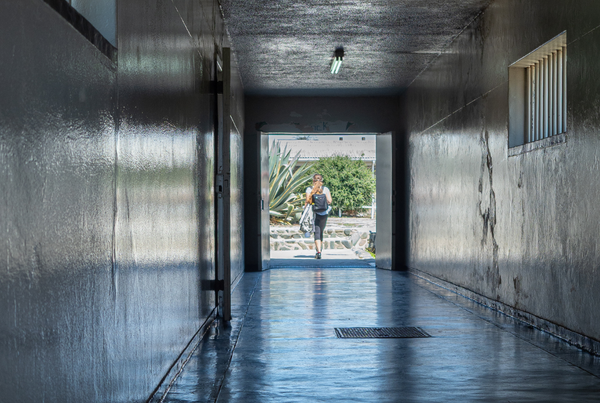
At the Ou Tronk and Maximum Security Prison, visitors witness the extreme conditions endured by political prisoners. These sites, built using the very stone mined by prisoners, represent both oppression and resilience. The Kramat, a sacred Muslim shrine built by prisoners, provides a quiet moment of reflection, while the Leprosy Graveyard reminds visitors of the lives isolated and lost on the island.
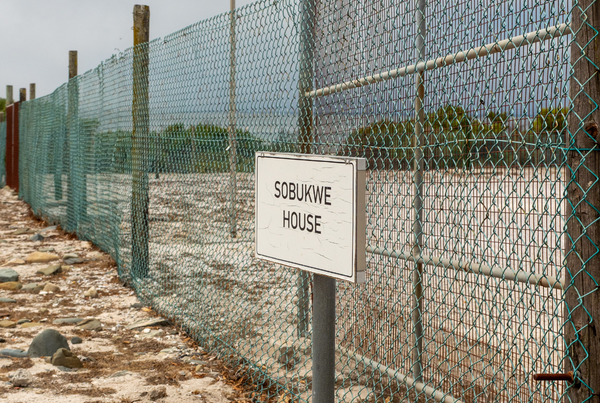
The Limestone Quarry is a key highlight on Robben Island. Walking where prisoners laboured under the blazing Cape sun, you gain a deeper understanding of their endurance. The tour ends at Sobukwe House, where Robert Sobukwe endured solitary confinement, a reminder of the lengths taken to suppress leadership.
Tips for visitors taking the Guided Tour:
Wear comfortable shoes and clothing, bring sun protection, water, and snacks, and prepare for a full day of walking.

Robben Island Museum leaves a lasting impression as you walk the paths, see the memorials, and learn the stories behind this monumental island and UNESCO World Heritage Site. During Human Rights Month, Robben Island becomes even more of a powerful reminder that courage, dignity, and hope can never be imprisoned, and that every step you take here is a step through South Africa’s remarkable story of resilience. Book your Robben Island Museum tour here.
Share your top Cape Town Big 6 moments with us!
Connect with us via our Cape Town Big 6 Facebook or Twitter page. Better yet, tag us on Instagram of your favourite outdoor moment and tag @CapeTownBig6 #CapeTownBig6
ONE DESTINATION, SIX UNFORGETTABLE EXPERIENCES
There is no one way to explore all of the Cape Town Big 6, and much of what makes each of them so special is the variety of things to see and do at each. So if possible, take your time to explore each of the city’s most visited tourist attractions in as much depth as possible – as any local will tell you, you can spend a lifetime at each of the Big 6 and still not tire of them. Find the 3 and 4 day itineraries and tips here.