
This Heritage Month, turn sightseeing into a bit of a treasure hunt. Choose your Big 6 stops, take your time, follow the stories and build a heritage trail that works for you.
The Cape Town Big 6 Heritage Trail You Can Build Yourself
Cape Town has the kind of sights that make their way onto postcards for good reason. But there’s always more to a place than its picture-perfect view. Take a closer look at the Cape Town Big 6, and you’ll find stories from ancient plants and early human history to seafaring, winemaking, art and the long road to democracy.
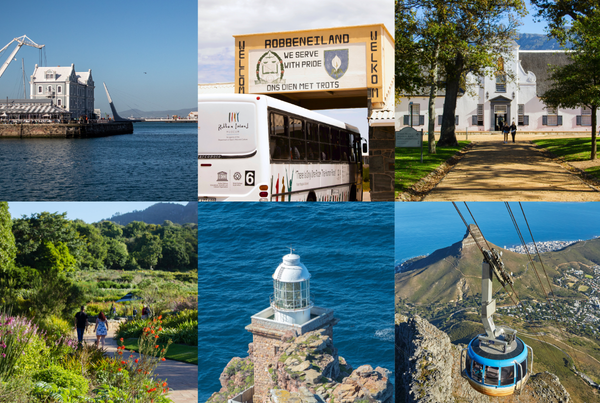
This Heritage Month, turn sightseeing into a bit of a treasure hunt. Choose your Big 6 stops, take your time, follow the stories and build a heritage trail that works for you.
Here’s one three-day route to get you started:
Day 1: Natural Heritage
Kirstenbosch National Botanical Garden
Start your Cape Town Big 6 Heritage Trail among the plants. Kirstenbosch is more than a beautiful garden beneath Table Mountain. Established in 1913, it became an important part of South Africa’s botanical conservation story, with a focus on indigenous plants and the extraordinary Cape Floristic Region.

Take your time exploring, and you’ll discover fascinating facts throughout the garden, including that its extensive collection of cycads features ancient, palm-like plants that have survived on Earth since before the time of the dinosaurs. Look a little deeper, and you’ll also find the history of the land itself, from its Indigenous past to the development of Kirstenbosch as a botanical garden.
Table Mountain Aerial Cableway
From the garden, take your heritage trail higher. Table Mountain has been part of Cape Town’s identity for generations, and there’s more to experience than just taking the Cableway up for the view.
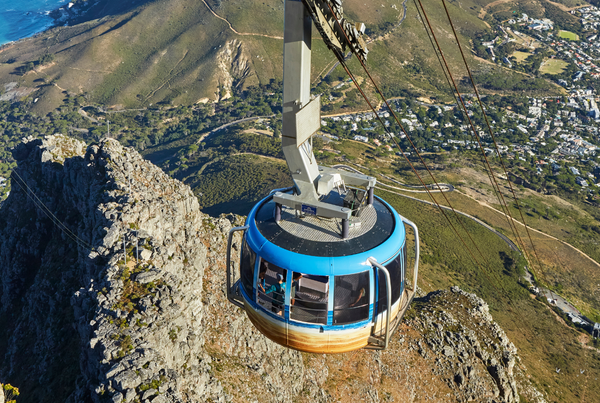
Start at the Lower Station, where the vintage cable car offers a glimpse into the Cableway’s history since it opened in 1929. At the summit, join a free guided walking tour to hear more about the mountain and its surroundings. Then look beyond the horizon. From the summit, landmarks including Robben Island, Table Bay and the historic city bowl reveal how Cape Town’s natural setting and human history are connected.
Day 2: Maritime Heritage
Cape Point
Next, head to Cape Point, where the coastline tells stories of exploration, seafaring and survival. Once known as the Cape of Storms, this dramatic headland became associated with some of the most important maritime journeys of the Age of Exploration. Look out for the monuments to Portuguese explorers Bartolomeu Dias and Vasco da Gama, then follow the coastline into its shipwreck history.

The SS Thomas T. Tucker trail leads to the remains of a WWII-era Liberty ship that ran aground in 1942. At the Buffelsfontein Visitor Centre, the Origins of Early Southern Sapiens Behaviour exhibition takes the story much further back, exploring archaeological evidence of early humans who lived along this coastline tens of thousands of years ago. Make your way to the lighthouse by hopping on the Flying Dutchman Funicular when operating, or on foot, and discover another chapter in Cape Point’s maritime story.
V&A Waterfront
Bring your maritime journey back into the city at the V&A Waterfront, where Cape Town’s harbour heritage remains part of everyday life. Start with the historic side of the Waterfront, from the Robinson Dry Dock, opened in 1882, to the Clock Tower and Old Port Captain’s Building.
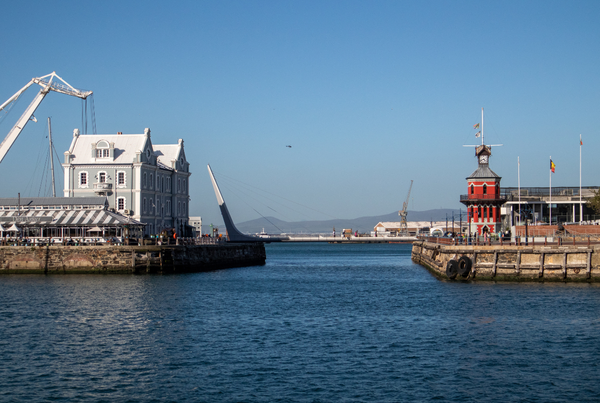
The V&A Waterfront also gives visitors the chance to browse local craft and design at the Watershed, explore contemporary African art at Zeitz MOCAA or simply spend some time watching the working harbour.
Heritage experience: Discover how Cape Town’s port has evolved from a working harbour into a place where history, culture, creativity and everyday city life meet.
Day 3: South African Wine and Heritage
Groot Constantia
Your final day begins in Constantia, where Cape Town’s wine story stretches back more than three centuries. Established in 1685, Groot Constantia is South Africa’s oldest wine-producing farm and a National Treasure. Its historic buildings, vineyards and museums offer an opportunity to experience Cape wine heritage rather than simply read about it.

Visit the Manor House Museum, then explore the historic Cloete Cellar, dating back to 1791 and closely associated with the production of the famous Grand Constance wine. The Visitor’s Route Experience brings together the estate’s wine, architecture and history. And because heritage is also experienced through food, make time for a meal at Jonkershuis, where Cape Malay-inspired flavours form part of the experience.
Robben Island Museum
End your Cape Town Big 6 Heritage Trail with a journey across Table Bay to Robben Island Museum. The ferry from the Nelson Mandela Gateway at the V&A Waterfront begins an experience spanning several layers of the island’s history, from military remains and the Lime Quarry to the Kramat shrine and the prison complex.

The guided tour takes you through the maximum-security prison, including the cell where Nelson Mandela spent 18 of his 27 years in prison. The experience is made especially powerful through firsthand accounts from former political prisoners who have served as guides, bringing personal stories and perspectives to the historical record.
Build Your Own Cape Town Big 6 Heritage Trail
The Cape Town Big 6 attractions reveal different sides of the city: its natural and botanical heritage, maritime history, wine culture, contemporary creativity and political past.
You can follow this three-day route or build your own. Spend a morning among indigenous plants, walk a shipwreck trail, taste wine in a historic cellar, explore African art or cross Table Bay to hear firsthand accounts of South Africa’s past. Planning a Cape Town trip? Build your own Big 6 Heritage Trail and give yourself time to look beyond the view.
Share your top Cape Town Big 6 moments with us!
Connect with us via our Cape Town Big 6 Facebook or Twitter page. Better yet, tag us on Instagram of your favourite outdoor moment and tag @CapeTownBig6 #CapeTownBig6
ONE DESTINATION, SIX UNFORGETTABLE EXPERIENCES
There is no one way to explore all of the Cape Town Big 6, and much of what makes each of them so special is the variety of things to see and do at each. So if possible, take your time to explore each of the city’s most visited tourist attractions in as much depth as possible – as any local will tell you, you can spend a lifetime at each of the Big 6 and still not tire of them. Find the 3 and 4 day itineraries and tips here.