
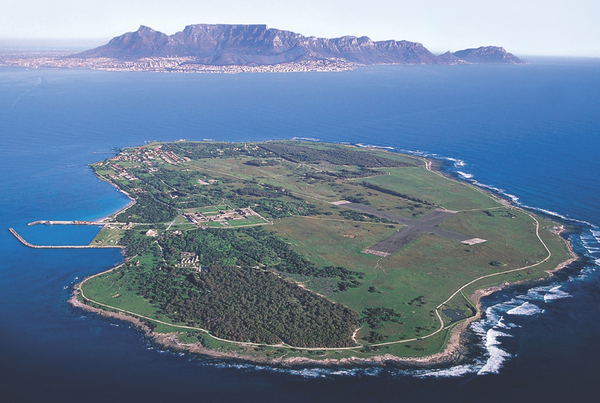
You can often see Robben Island from the Cape Town shore or the top of Table Mountain, but seeing it from a distance is very different from actually going there.
What to Know Before Visiting Robben Island Museum
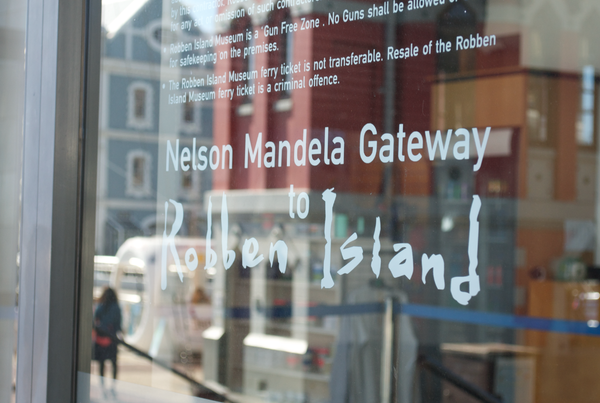
You can often see Robben Island from the Cape Town shore or the top of Table Mountain, but seeing it from a distance is very different from actually going there. The journey begins at the Nelson Mandela Gateway at the V&A Waterfront, where you board the ferry and cross Table Bay towards an island with more than 500 years of layered history. And yes, Nelson Mandela’s prison cell is part of the experience, but there is much more to discover along the way.
Why Visit Robben Island Museum?
Robben Island is one of Cape Town’s most important heritage sites and a UNESCO World Heritage Site. Its history stretches from early settlement and religious exile to military use, imprisonment and South Africa’s liberation struggle.
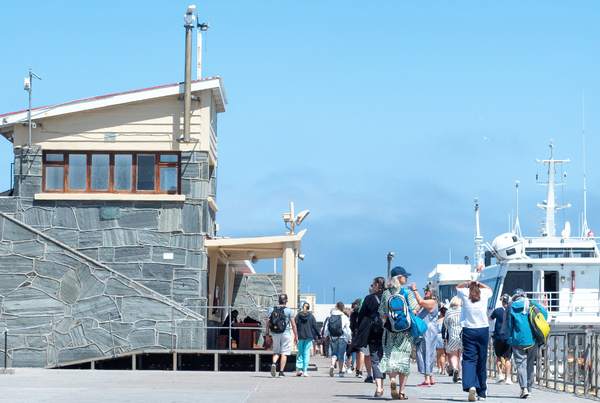
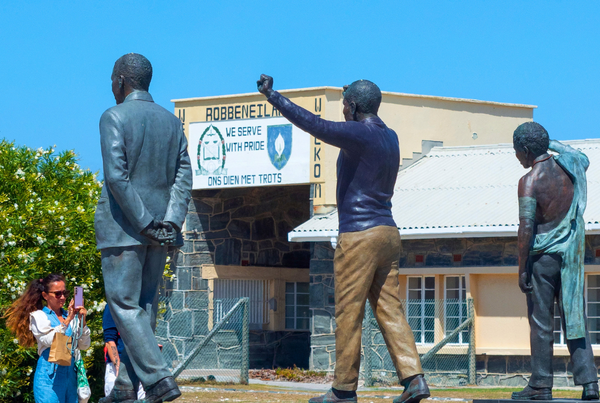
Today, the Robben Island Museum tour brings many of these stories together. After arriving at Murray’s Bay Harbour, visitors board buses for a guided tour around the island. Along the way, you’ll pass historic sites including the graveyard of people who died from leprosy, the Lime Quarry, Robert Sobukwe’s house, the Bluestone Quarry and former army and navy bunkers. Then comes the Maximum Security Prison. The tour ends with a viewing of the cell where Nelson Mandela spent 18 of his 27 years in prison.
For some, one of the most memorable parts of the experience is hearing the history from people who lived it. Some Robben Island tour guides are former political prisoners who share their personal experiences.
It’s More Than a Prison Tour
One interesting thing about Robben Island is how many stories exist alongside its better-known political history. The island was used as a place of banishment, including for Muslim leaders who resisted Dutch colonisation. The Kramat on the island commemorates Abdurahman Motura (also known as Pangeran Chakra Deningrat or the Prince of Madura), an Asian prince who died there in 1754.

It also played a military role during World War II, when artillery batteries and fortifications were constructed to help protect Table Bay and Cape Town. So while the prison is an important part of the visit, it is only one layer of Robben Island’s much bigger story.
How Long Does a Robben Island Tour Take?
The standard Robben Island Museum tour takes approximately 3.5 hours, including the ferry journey to and from the island. Travel time can vary depending on the vessel being used. If you’re planning a Cape Town itinerary, allow most of a morning or afternoon rather than trying to squeeze Robben Island into an hour or two.
General tours depart from the Nelson Mandela Gateway daily at:
- 09h00
- 11h00
- 13h00
- 15h00
What Does It Cost?
For visitors, the current general tour price is:
South Africans
- Adults: R400
- Children under 18: R210
International visitors
- Adults: R600
- Children under 18: R310
There’s also good news for South African families. Through the NextGen Heritage Free Pass, one South African child aged 15 or under can visit Robben Island Museum free when accompanied by a paying adult (valid until. Book your tour here.
Want to Go Beyond the General Tour?
For visitors who want a deeper experience, Robben Island Museum also offers a 5-kilometre guided tour lasting approximately five hours. This experience explores significant sites including the Visitors’ Centre, Maximum Security Prison, Sobukwe House and the Lime Quarry. It is designed for visitors who are comfortable walking longer distances and want to spend more time engaging with the island’s history. There are also other tour types, including educational, private, VIP and specialised tours available.
Planning Your Visit to Robben Island Museum
Robben Island Museum is easy to add to a Cape Town itinerary, especially if you’re already exploring the V&A Waterfront. As one of the Cape Town Big 6, it offers a different side of the city, one that asks you to soak in, listen and understand the stories that helped shape South Africa. With the school holidays approaching, it’s also a worthwhile family activity, giving children and teenagers the opportunity to experience an important part of their South African history.
Planning your Cape Town trip? Add Robben Island Museum to your Cape Town Big 6 itinerary and make time for an experience that stays with you long after the ferry reaches the shore.
Share your top Cape Town Big 6 moments with us!
Connect with us via our Cape Town Big 6 Facebook or Twitter page. Better yet, tag us on Instagram of your favourite outdoor moment and tag @CapeTownBig6 #CapeTownBig6
ONE DESTINATION, SIX UNFORGETTABLE EXPERIENCES
There is no one way to explore all of the Cape Town Big 6, and much of what makes each of them so special is the variety of things to see and do at each. So if possible, take your time to explore each of the city’s most visited tourist attractions in as much depth as possible – as any local will tell you, you can spend a lifetime at each of the Big 6 and still not tire of them. Find the 3 and 4 day itineraries and tips here.