
We celebrate birthdays for friends, family and even our pets. But have you ever wondered when Cape Town’s most iconic attractions celebrate theirs?
The Cape Town Big 6 Attractions Through the Years
We celebrate birthdays for friends, family and even our pets. But have you ever wondered when Cape Town’s most iconic attractions celebrate theirs?

Some have been part of the city’s story for centuries. Others are relatively young by comparison. Together, the Cape Town Big 6 tell the story of a city shaped by nature, history, culture and innovation.
We know them as Cape Town’s must-visit attractions, but every one of them had a starting point. Here are the birthdays and important dates that made the Cape Town Big 6 attractions what they are today.
Groot Constantia: 13 July 1685
If the Cape Town Big 6 had a grandparent, it would be Groot Constantia. South Africa’s oldest wine-producing farm officially traces its origins to 13 July 1685, making it 341 years old this year. Today, the estate continues to produce award-winning wines while welcoming visitors from around the world.

A visit to Groot Constantia offers far more than a wine tasting. Guests can explore the historic Manor House Museum, enjoy the Visitors Route Experience, discover the original cellars, and try a wine and chocolate pairing, while overlooking the vineyards.
Cape Point: 1 May 1860
Cape Point’s birthday is linked to one of South Africa’s most famous lighthouses. The original Cape Point Lighthouse was completed in 1859 and first lit on 1 May 1860. Positioned high above the ocean on Da Gama Peak, it was intended to help guide ships safely around the Cape coastline.
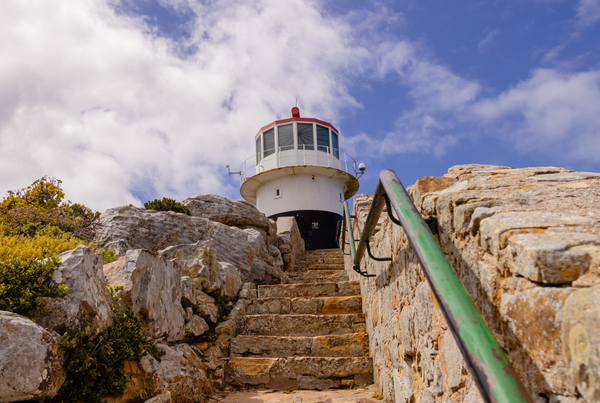
While the lighthouse became an important maritime landmark, its location often placed it above the fog line, making it difficult for ships to see. Following several shipwrecks, a second lighthouse was built closer to sea level in 1919.
Today, the historic lighthouse remains one of Cape Town’s most popular attractions. Visitors can reach it by riding the Flying Dutchman Funicular or tackling the scenic walk to the summit of Cape Point, where spectacular ocean views await.
Kirstenbosch National Botanical Garden: 1 July 1913
One of the world’s most celebrated botanical gardens officially opened its gates on 1 July 1913. What makes Kirstenbosch so special is that it was established with a clear purpose: to protect and showcase South Africa’s indigenous plants. More than a century later, that vision continues to thrive.

Kirstenbosch is one of those places where a quick visit often turns into a much longer one. With its mountain views, beautiful gardens, birdlife, and walking trails, it remains one of the city’s most treasured natural spaces.
Table Mountain Aerial Cableway: 4 October 1929
It’s hard to imagine Cape Town without the Table Mountain Cableway. Officially opened on 4 October 1929, the cableway transformed access to one of the world’s most famous mountains. The original cable cars, built from wood and steel, carried just 19 passengers at a time.

Today, the rotating cable cars can carry up to 65 passengers at a time, transporting thousands of visitors to the summit every year. Offering some of the best views across the Mother City, the coastline, and the surrounding mountains, the journey to the top remains just as exciting as ever.
V&A Waterfront: November 1990
While the harbour itself dates back to the 1860s, the V&A Waterfront as we know it today officially opened for commercial trading in November 1990. The redevelopment transformed a working harbour into one of Africa’s most visited destinations while preserving its maritime heritage.

While the Waterfront has changed dramatically over the years, it has never lost its connection to the harbour that started it all. Today, visitors can experience everything from family adventures and local markets to fine dining and cultural attractions, all against the backdrop of a working port.
Robben Island Museum: 1997
Robben Island has a history spanning more than 500 years, but the Robben Island Museum was officially established in 1997 after the island’s maximum-security prison closed in 1996. Just two years later, the island was declared a UNESCO World Heritage Site and has since been one of Cape Town’s most moving and meaningful attractions.
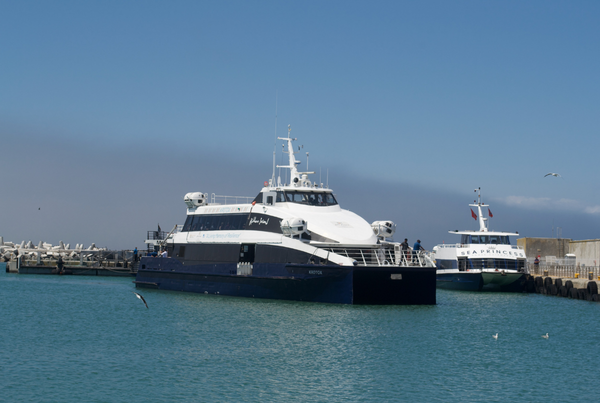
Today, the museum preserves one of South Africa’s most important historical sites. Visitors travel by ferry from the V&A Waterfront before exploring the island and learning about its role in the country’s journey to democracy.
Three Big 6 Attractions Are Up for a Major Award
While these attractions can celebrate important milestones from the past, they’re also making headlines in the present. Robben Island Museum, Table Mountain Aerial Cableway and the V&A Waterfront have all been nominated for Africa’s Leading Tourist Attraction 2026 at the World Travel Awards.
The nominations recognise the significant role these attractions continue to play in showcasing Cape Town and South Africa to the world. Visitors, locals and supporters can cast their votes and help these iconic destinations earn international recognition here: https://www.worldtravelawards.com/vote
More Than Attractions, They’re Part of Cape Town’s Story
Behind every iconic photo is a much bigger story. The next time you visit one of the Cape Town Big 6 attractions, take a moment to appreciate not just where you are, but how long it’s been part of Cape Town’s story.
Ready to explore the Cape Town Big 6 for yourself? Visit all six attractions and discover why they continue to captivate visitors generation after generation.
Share your top Cape Town Big 6 moments with us!
Connect with us via our Cape Town Big 6 Facebook or Twitter page. Better yet, tag us on Instagram of your favourite outdoor moment and tag @CapeTownBig6 #CapeTownBig6
ONE DESTINATION, SIX UNFORGETTABLE EXPERIENCES
There is no one way to explore all of the Cape Town Big 6, and much of what makes each of them so special is the variety of things to see and do at each. So if possible, take your time to explore each of the city’s most visited tourist attractions in as much depth as possible – as any local will tell you, you can spend a lifetime at each of the Big 6 and still not tire of them. Find the 3 and 4 day itineraries and tips here.